


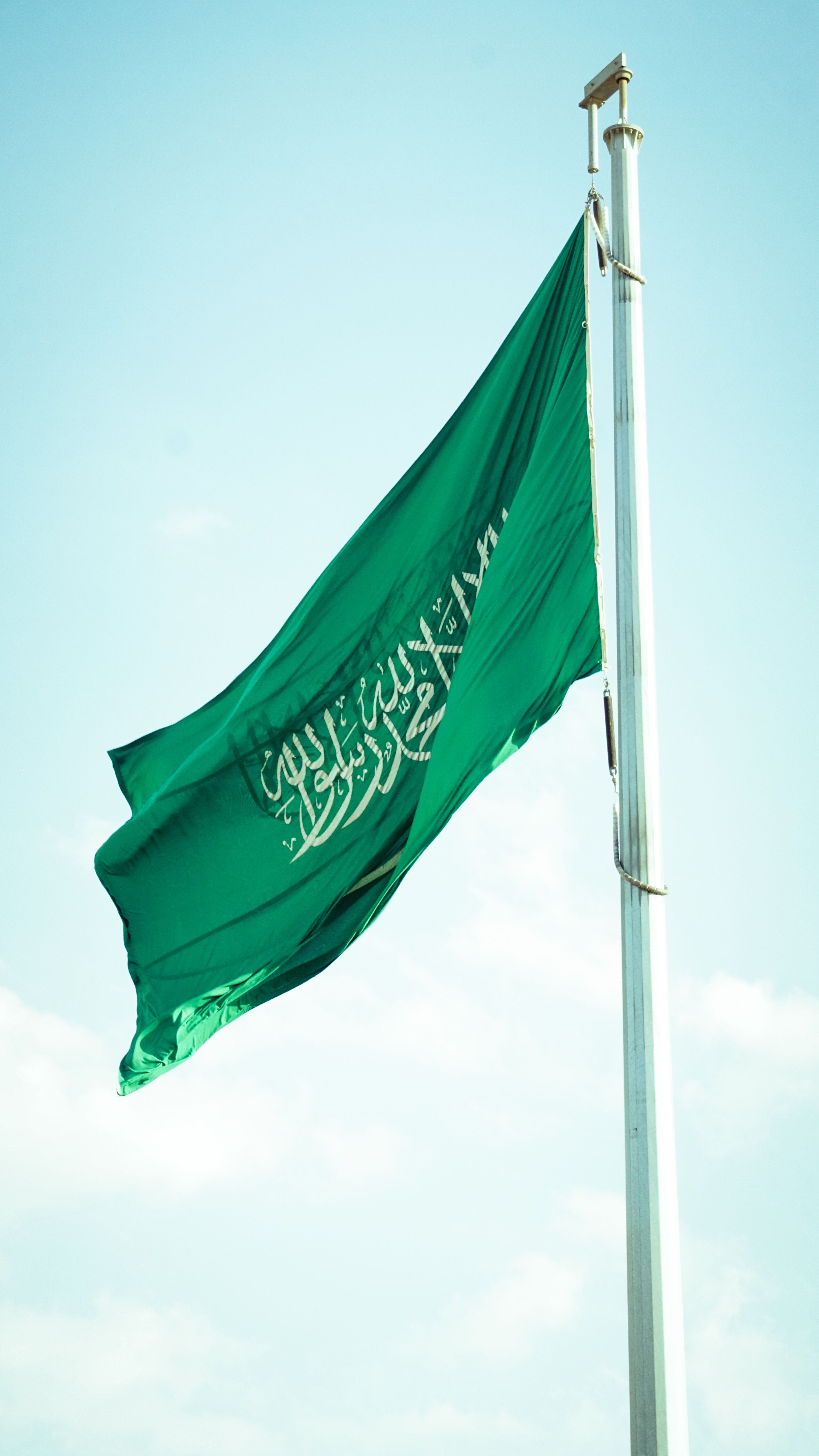
With President Trump hinting at a deal that may allow Saudi Arabia to enrich uranium, many questions have arisen regarding the latter’s nuclear capabilities in general. The one that interests us most is: If Saudi Arabia advances to full-blown nuclear production in the near future, what does it mean for the Middle East?
A Middle Eastern Arms Race
For starters, it means conflict. Israel, being the main Western-aligned (though they have recently been pursuing a level of strategic autonomy) nation in the Middle East, would not take well to a Muslim nation acquiring nuclear weaponry. Between Iran, Israel, and Saudi Arabia, this deal would cause the world’s first three-way nuclear standoff.
It should be noted that Saudi Arabia financed Pakistan’s nuclear program in the 1980s and 1990s, and this resulted in an implicit agreement that if Riyadh ever needed off-the-shelf warheads, Islamabad would come to its aid. Combining the American-built domestic enrichment with Pakistani foreign backup effectively gives Saudi Arabia a fast pass to nuclear armament.
Israel would not be the only nation aggravated by such a change, however. Turkey and Egypt will not sit idly by while their two main rivals, Iran and Saudi Arabia, go nuclear. A nuclear Saudi Arabia permanently diminishes global non-proliferation.
A Major Trap For U.S Foreign Policy
Historically, Washington insists on the “Gold Standard” when it helps a foreign nation build civilian nuclear infrastructure (a Section 123 agreement), meaning that the host nation agrees not to enrich uranium or reprocess spent fuel domestically. However, giving Riyadh a pathway to enrich its own uranium severely blurs the line between “peaceful power grid” and “breakout weapons capacity.” This marks the end of the “123 Gold Standard” that America has upheld since signing with the UAE in 2009.
More importantly, though, is the major clash of sovereign and commercial interests. Saudi Arabia was heavily pushed by American nuclear energy titans like Westinghouse, who were eager to capture multi-billion-dollar contracts before China or Russia signed the deal in their place. But by supplying the tech, the U.S unknowingly creates a moral hazard. Washington becomes the ultimate security guarantor of a now-nuclear absolute monarchy, which entangles American military power even deeper into Gulf security right as it becomes crucial to pivot to the Indo-Pacific.
Conclusion
Many regional divisions will be stirred, and U.S involvement in arming a nation with nuclear capabilities is sure to be met with international pushback. Giving nuclear potential to yet another volatile regional power in conflict with others can only increase the odds of a nuclear war.
The U.S is already under fire across most of the world over the Iran war, and America has not done itself any favors in attempting to move forward with such a non-trivial deal in the middle of global economic turmoil. Washington can no longer act as though it is diplomatically immortal post-Pax Americana, and with the Chinese threat growing, it has never been more important for the United States to be a champion of peace.
Becoming such a champion after so much international provocation, however, will require significant military de-escalation and diplomatic resurgence. Actions that the U.S government does not seem capable of taking at this moment.